Most people think back training is about aesthetics — how your back looks in the mirror.
But for everyday clients, back strength plays a much bigger role in how the body moves, feels, and holds posture throughout the day.
Your back isn’t one muscle. Different areas serve different purposes, and how you train them matters.
Lats: Support for Pulling and Stability
Your lats assist with pulling movements and help stabilize your spine. Strong lats make daily tasks like carrying groceries, pulling open doors, or lifting items feel easier and more controlled.
When this area is weak, people often compensate with their shoulders or lower back.
Mid-Back: Posture and Shoulder Position
The mid-back muscles are key for posture. They help keep the shoulders from rounding forward and support upright positioning during sitting, standing, and walking.
This area is especially important for people who spend long hours at desks, driving, or on their phones.
Upper Back: Counteracting Forward Posture
Upper-back strength helps offset forward-head and rounded-shoulder posture that develops from modern lifestyles. Strengthening this area can reduce neck tension and improve shoulder comfort over time.
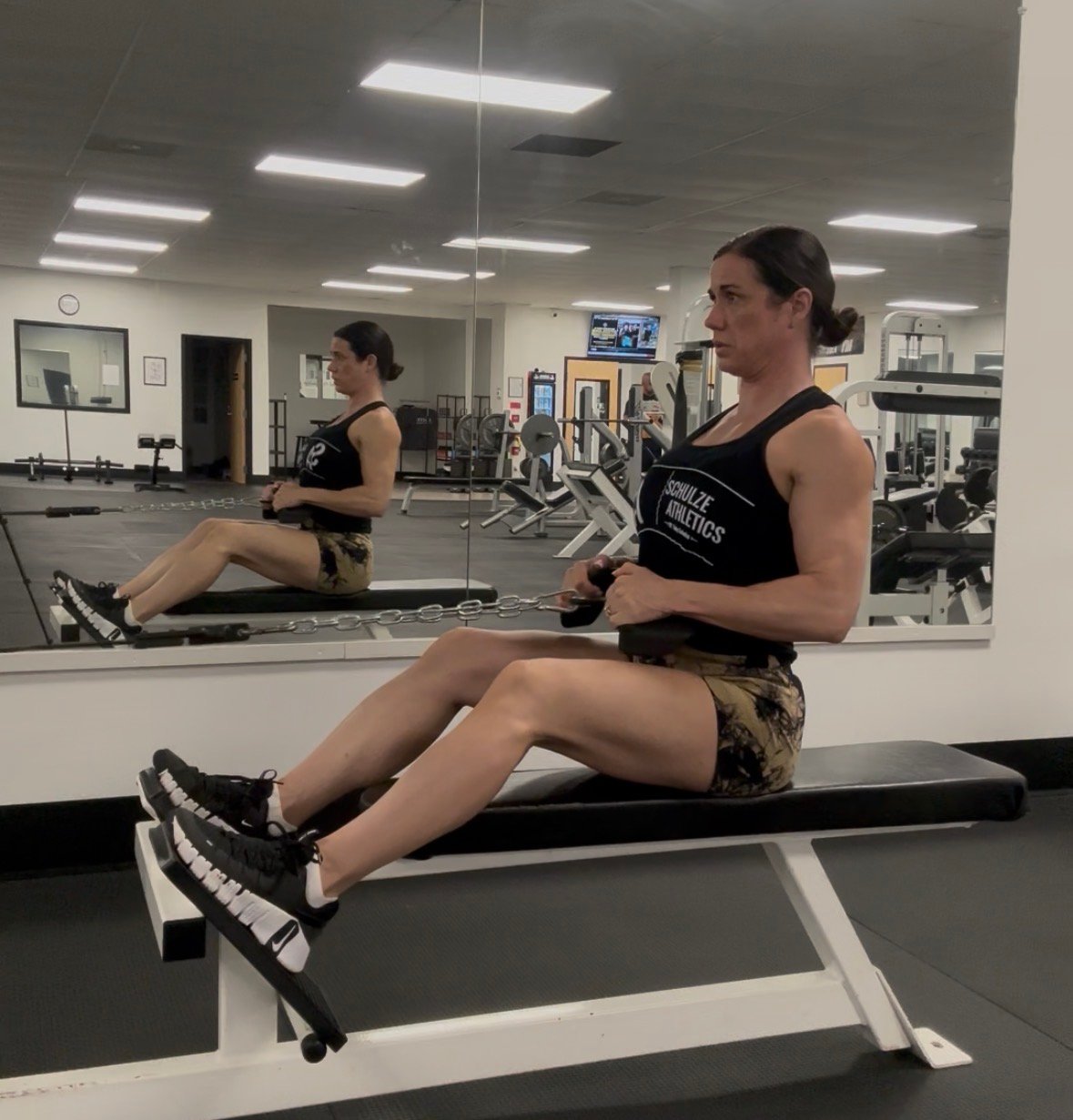
Small changes—like how different cable row grips target the back—can completely change which muscles are supporting your posture.
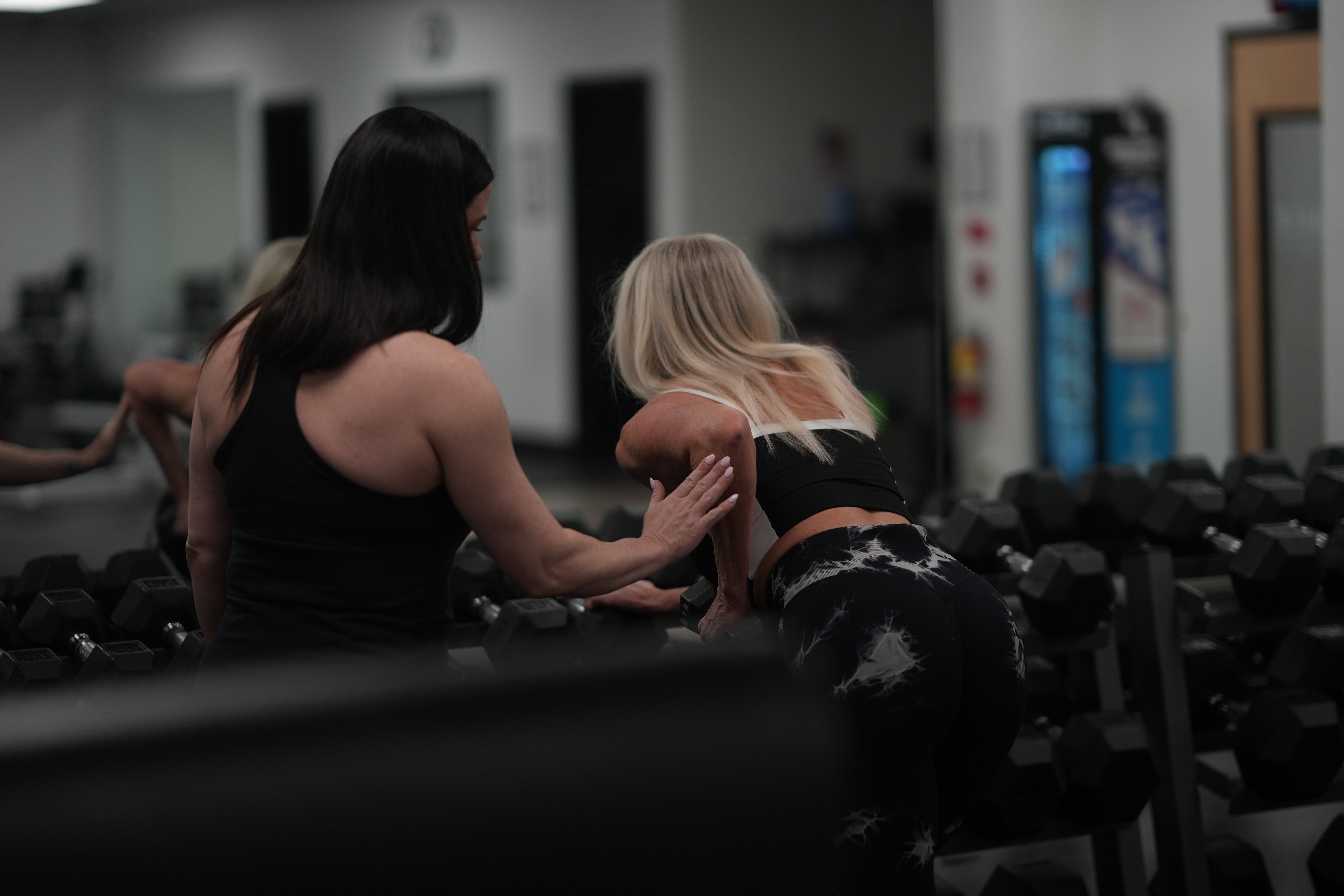
Training With Purpose
Effort vs effectiveness in training matters. It isn’t about doing more — it’s about doing what supports how your body functions in daily life.
This is why structured, intentional training creates better results than simply working hard.
Want training that actually supports how your body moves every day?
I don’t program workouts just to make you tired — I coach with intention, structure, and real-life movement in mind.